On screen, nobody learns to fall safely before they learn to fight. In a real dojo, beginners can learn ukemi (safe ways to fall and roll) step by step. Rolling is optional — other drills are offered if you prefer. At Bujinkan Ikiru Dojo you’ll train in a Japanese tradition, learn the Japanese terms, and bow in with a class taught by Shidoshi Tuan Tran (8th Dan), who goes to Japan two to three times a year to train, and Shihan Andrew Sachse (10th Dan). It’s Mondays 7–9pm at Kilburn Community Hall, the first two lessons are free and then $15, and no uniform is needed.
Try your first class free
- When: Mondays, 7:00pm to 9:00pm
- Where: Kilburn Community Hall, 49 Le Hunte Street, Kilburn
- Cost: first two lessons free, then $15 a lesson
- No experience needed. Just wear comfortable clothes.
Just tell us your name, email and which Monday you would like to come. We will reply to welcome you to your first class.
Interested in a group trip to Japan? Message us on Facebook or email info@bujinkanikiru.com.au and we will let you know if a trip comes together.
Prefer to ask a question first?

Love anime, manga, samurai films or ninja stories? Drawn to Japanese history, language and culture? Bujinkan Budō Taijutsu is a traditional Japanese martial art, and you can train in it every Monday night in Adelaide.
At Bujinkan Ikiru Dojo, ikiru means “to live”, and our guiding words are simple: train to live.
Not like the anime, but the real tradition
On screen, martial arts are all impossible leaps and dramatic poses. In the dojo, nobody is running across rooftops. What you will find is quieter and deeper: careful movement, awareness and respect, learned step by step in a traditional Japanese setting.
- Traditional budō. Bujinkan is a traditional Japanese martial art. You can read more about the nine traditional schools it brings together. If you love Japanese history and culture, there is a lifetime of study here.
- Japanese in the dojo. You will pick up the Japanese terms we train with: keiko (practice), taijutsu (the art of natural body movement) and ukemi (safe ways to fall and roll; rolling is optional, and other drills are offered if you prefer).
- Bowing and dojo etiquette. Like all budō, training is guided by rei, courtesy and respect towards your training partners, your teachers and the dojo.
- Not a sport. The focus is on awareness, movement and real situations rather than points, rules or a ring. Life is not a sport.
Bujinkan in manga
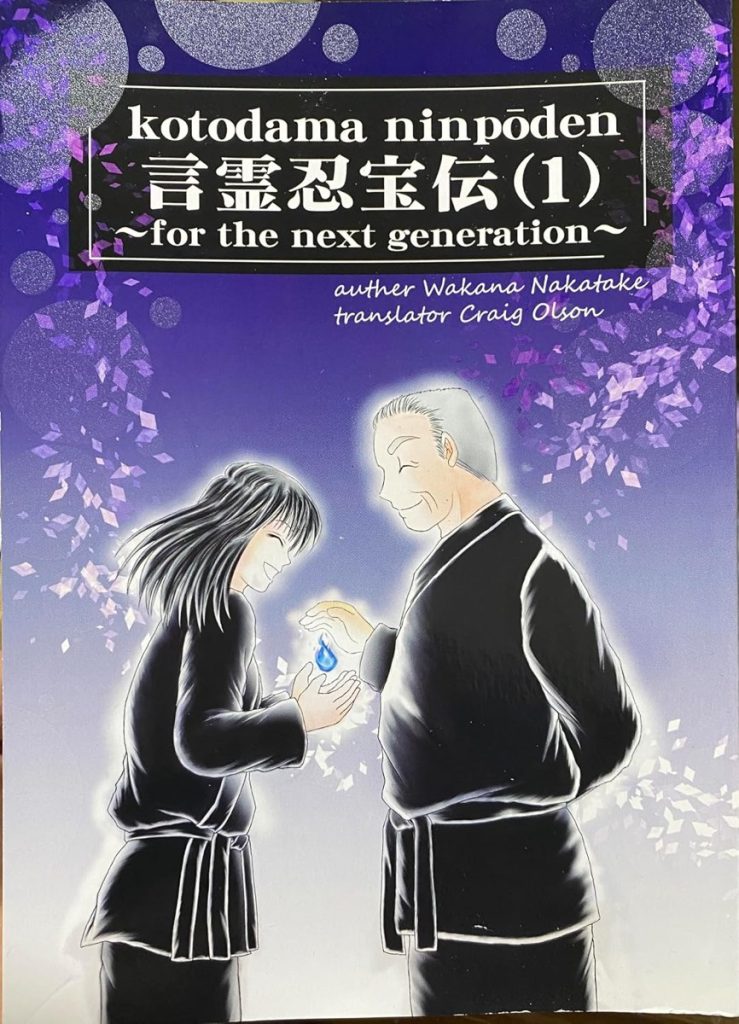
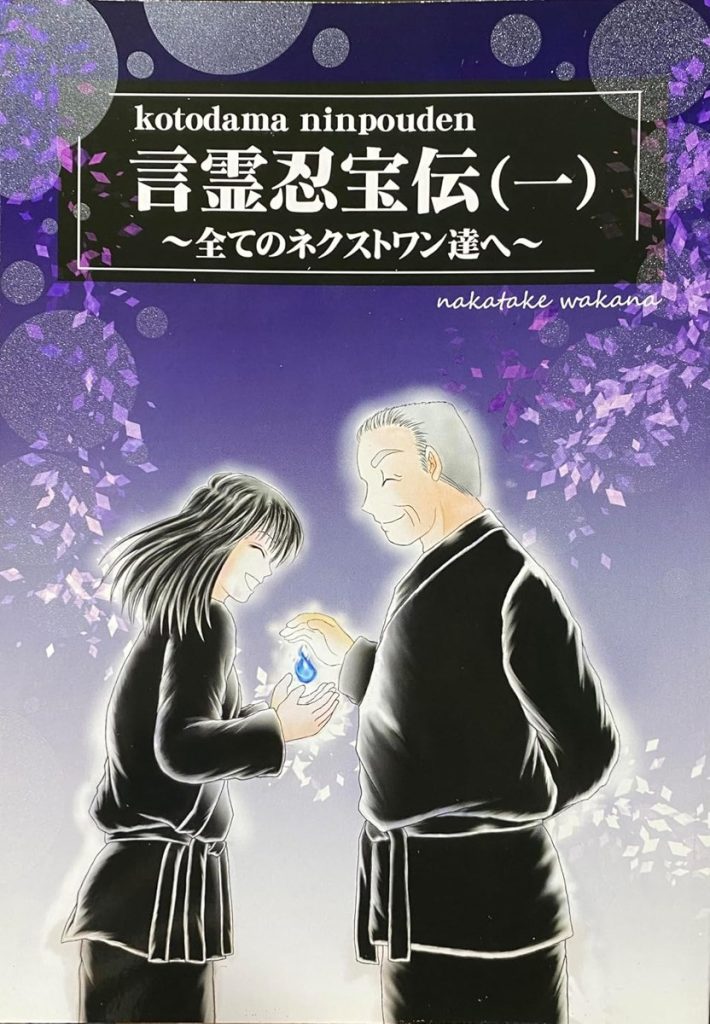
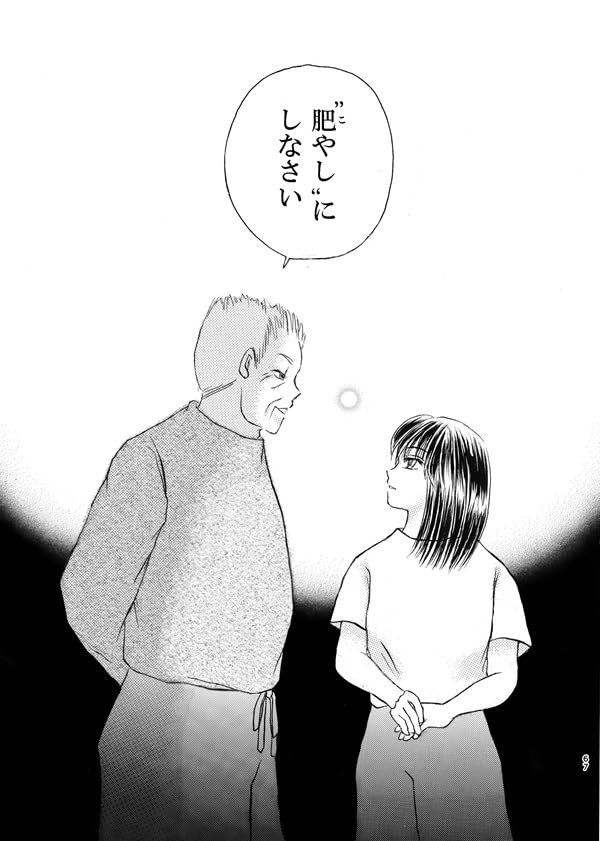
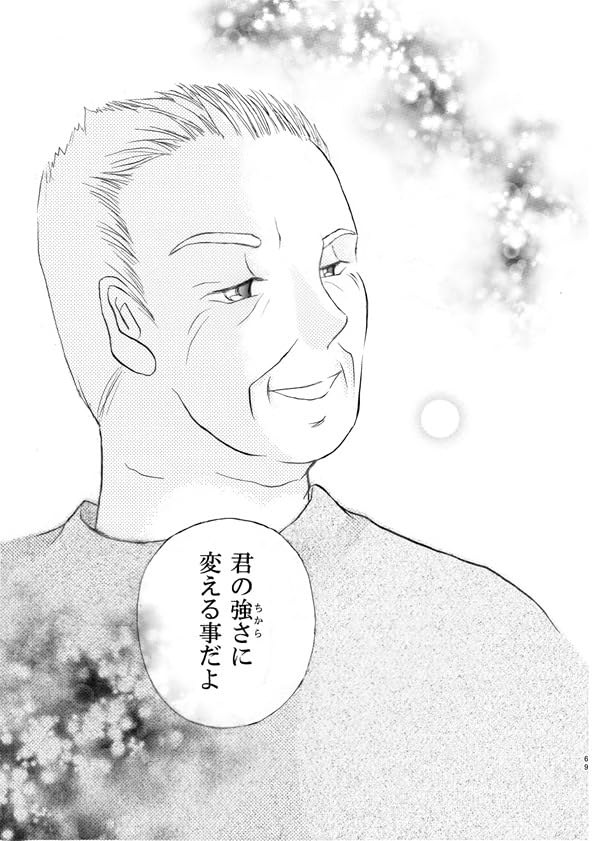
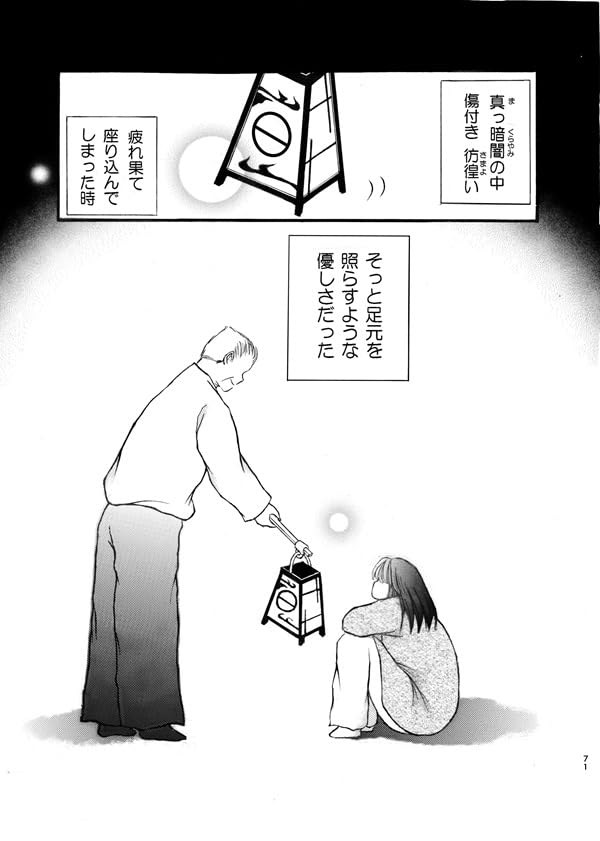
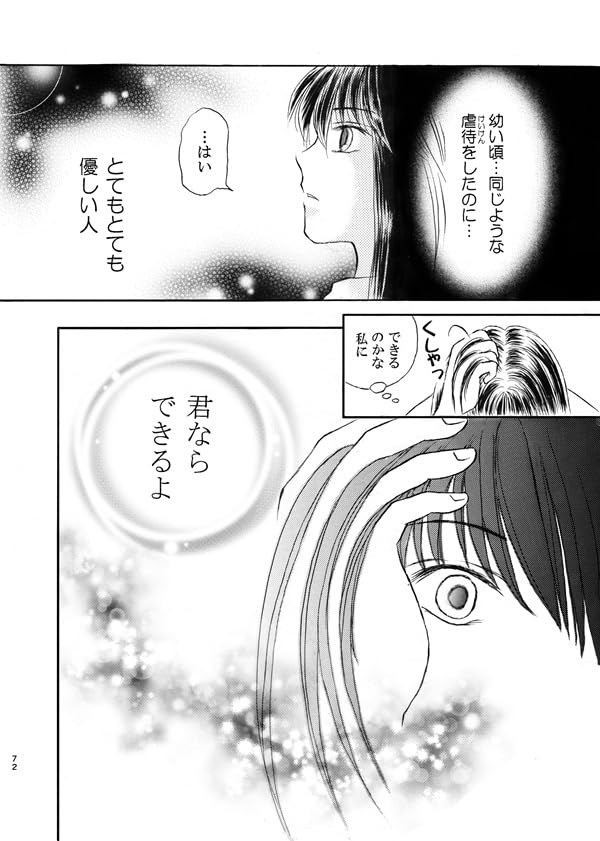
Kotodama Ninpōden (言霊忍宝伝) is a manga by Wakana Nakatake, a Bujinkan member, about the teachings passed down by Sōke Masaaki Hatsumi, head of the Bujinkan. It is available in Japanese and English.
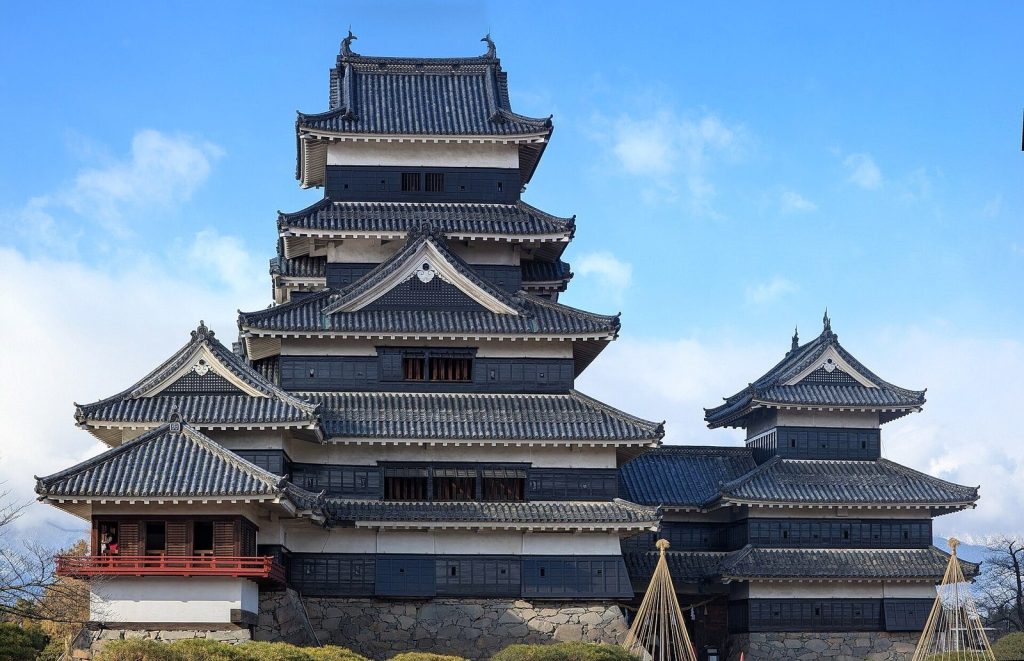
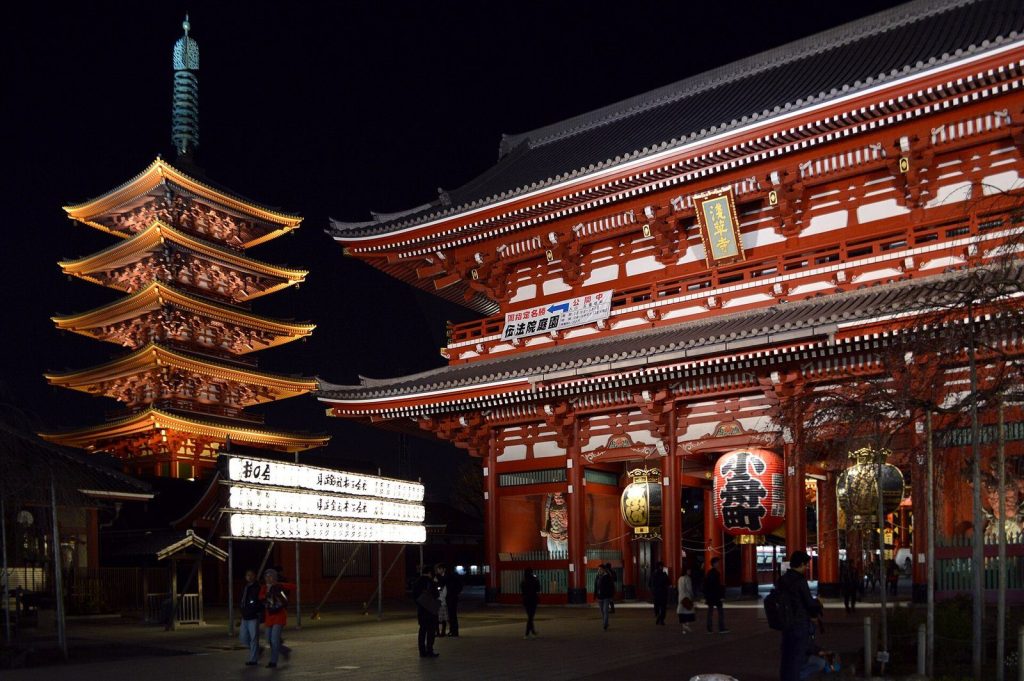
A link to Japan
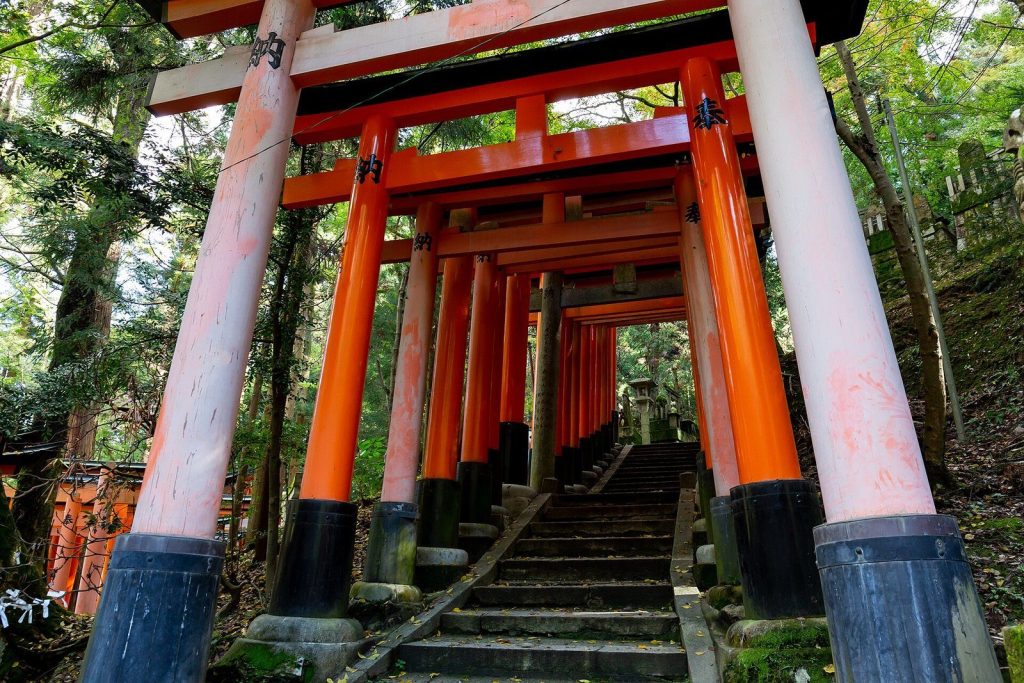
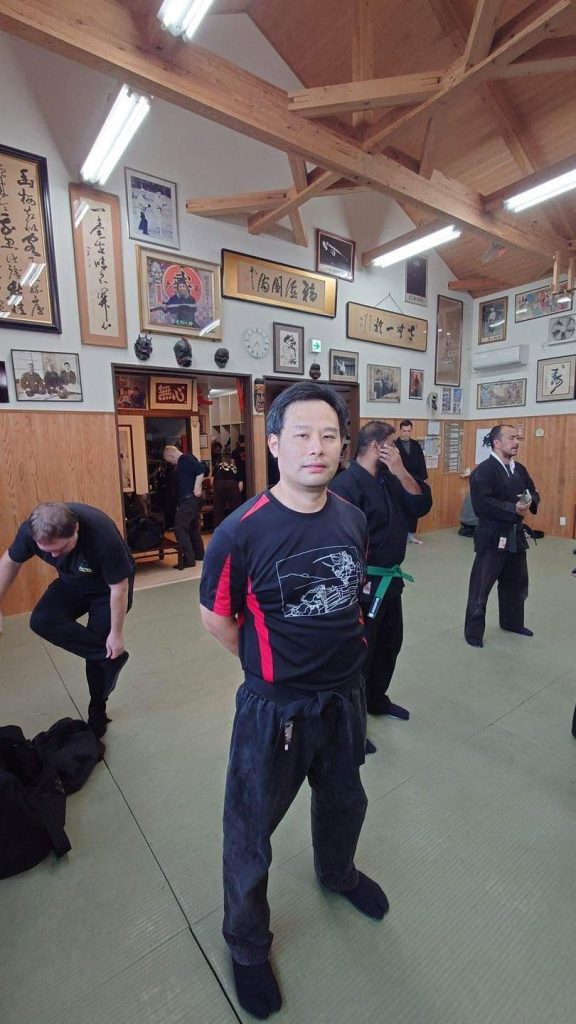
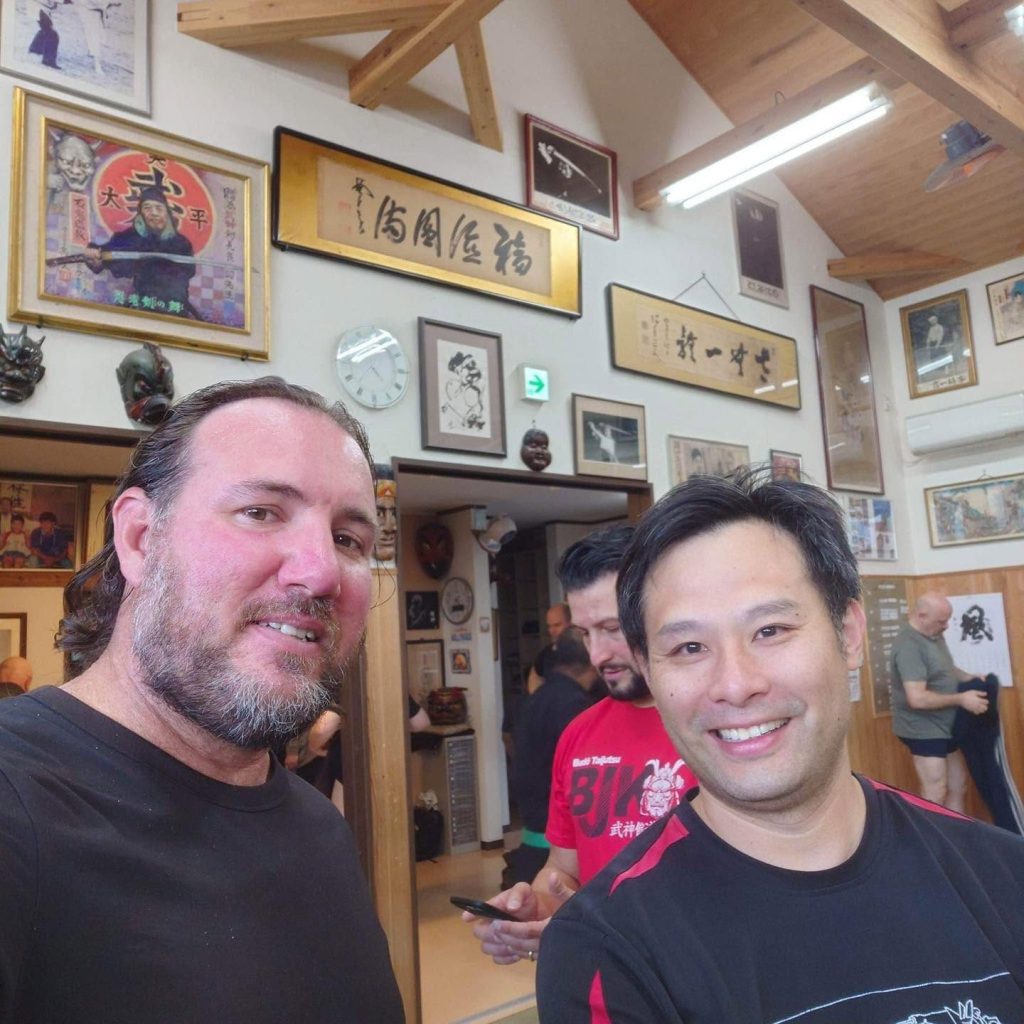
Shidoshi Tuan Tran, 8th Dan, travels to Japan two to three times a year to train, and brings that training back to our Monday classes.
If there is enough interest, we will organise group trips to Japan to train together. If that sounds like you, mention it when you get in touch.
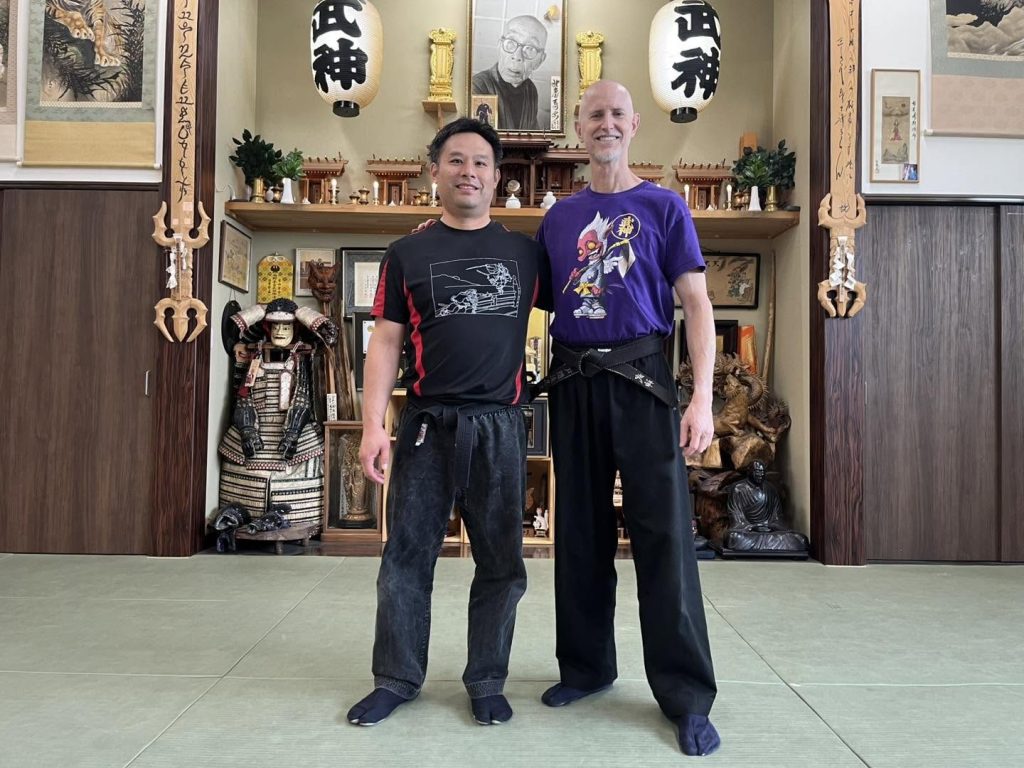
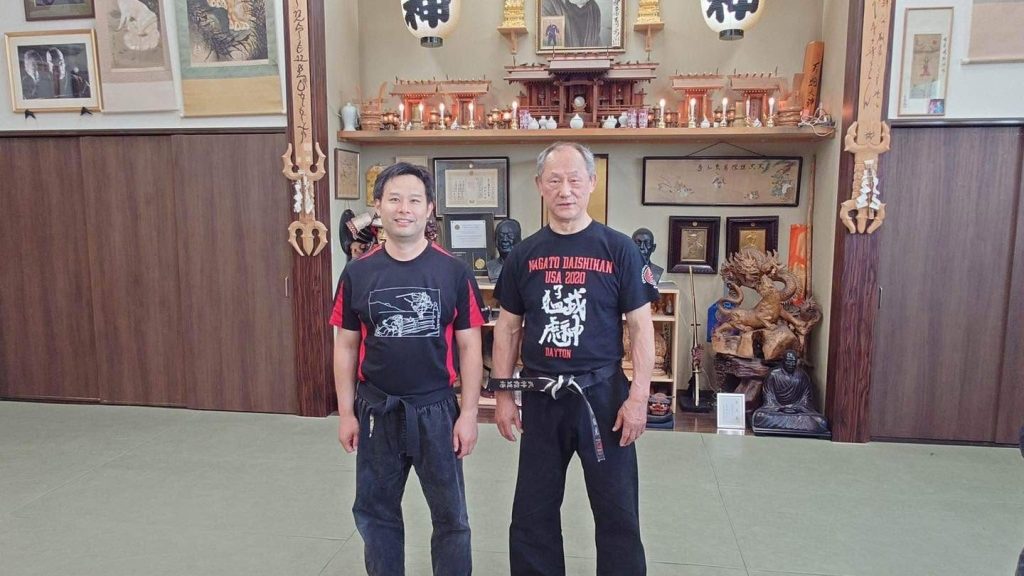
Why Japan fans enjoy it
- Culture you can practise. Instead of only watching or reading about Japan, you get to take part in a living Japanese tradition every week.
- Meet new people. Train alongside friendly people on a Monday evening, with plenty of good humour on the mats.
- Something different. A traditional art with real depth, not another gym session.
- Easy to start. Your first two lessons are free, then $15 a lesson. No experience or uniform needed to start.
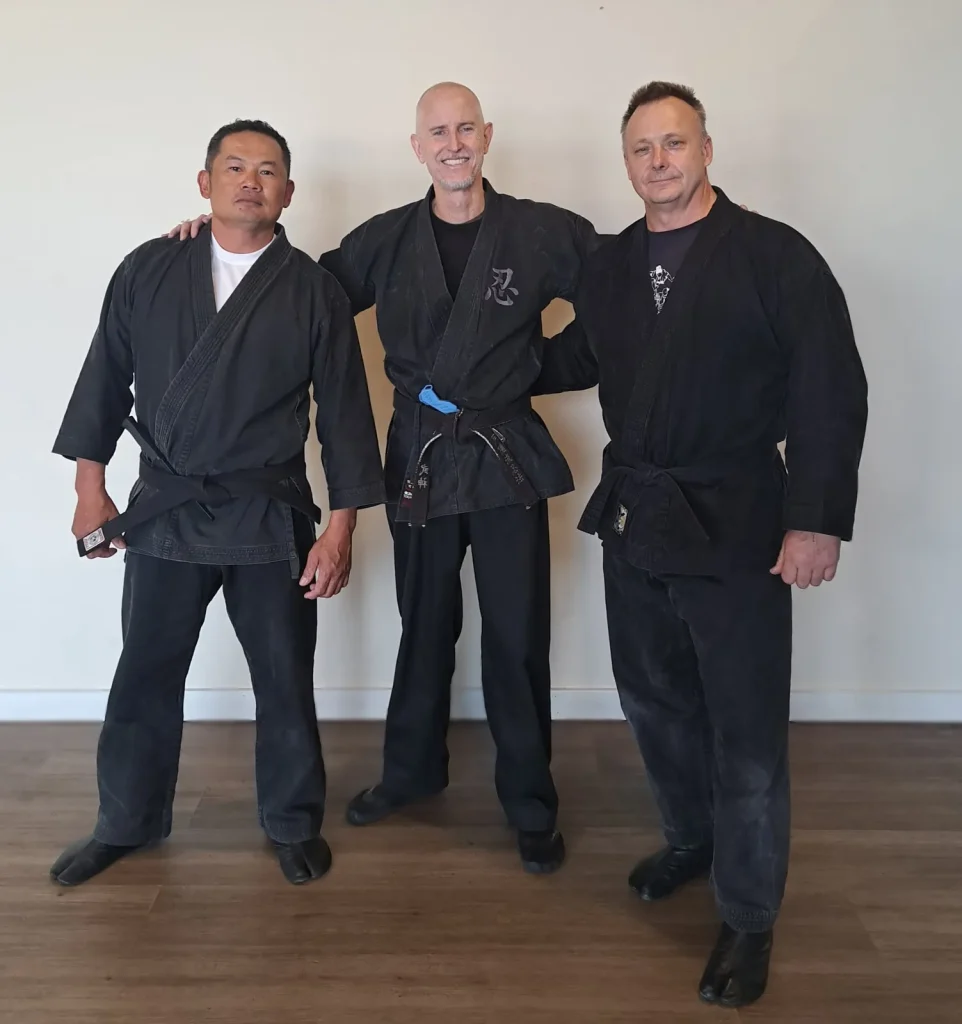
See us training
Come and try it
Classes are held on Monday evenings from 7:00pm to 9:00pm at Kilburn Community Hall, 49 Le Hunte Street, Kilburn SA 5084, under Shidoshi Tuan Tran, 8th Dan, and Shihan Andrew Sachse, 10th Dan.
Your first two lessons are free, then $15 a lesson. No experience needed; just wear comfortable clothes and come along. We would be glad to welcome you.
Questions? Email info@bujinkanikiru.com.au or message us on Facebook.